India Gate Delhi Guide: History, Visitor Tips & Lights at Night | India Purple Travel Guide
(map, reviews, website)
This is Premium Content! To access it, please download our
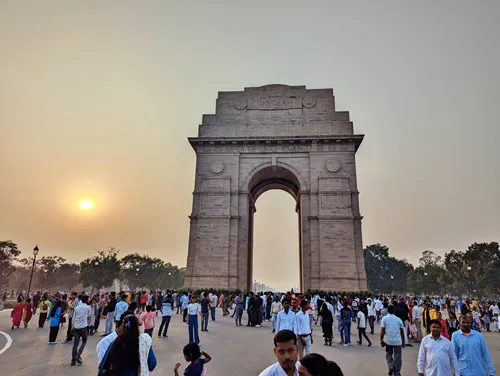
Backpack and Snorkel Purple Travel GuideIndia Gate is the solemn centerpiece of New Delhi, a powerful war memorial, and the symbolic heart of the city's ceremonial area. Located at the eastern end of the grand Kartavya Path (formerly Rajpath), it is a compulsory visit to understand India’s foundational modern history and the sacrifices that underpin the nation.
Here at Backpack and Snorkel Travel Guides, we promote self-guided walking tours.
But we realize that not everybody likes to walk by themselves in a foreign city. So, just in case that you rather go with ab guide: NO PROBLEM! Please see the GuruWalk and Viator tours below.
free GuruWalk tours
paid Viator tours
Why You Should Visit
While India’s ancient forts and mosques offer lessons in medieval history, India Gate is the touchstone for India’s 20th-century story. It represents the shared, immense sacrifice of Indian soldiers who fought in global conflicts.
The vast, sweeping lawns surrounding it also make it a vibrant recreational space, perfectly demonstrating how historical reverence and daily life intersect in Delhi.
History and Importance
The monument was designed by the renowned British architect Sir Edwin Lutyens, who was instrumental in planning New Delhi itself.
Origin (1921–1931): The structure was commissioned by the British government to commemorate the 84,000 soldiers of the British Indian Army who died fighting in World War I (1914–1919) and the Third Anglo-Afghan War (1919).
Inauguration: It was officially inaugurated in 1931 as the All-India War Memorial.
The Eternal Flame: Following India's independence, the structure became the nation’s primary war memorial. In 1972, the Amar Jawan Jyoti (Eternal Flame) was established beneath the arch to honor the soldiers who died in the 1971 Indo-Pakistani War. This flame became the focus of national ceremonies.
Note on Relocation: In 2022, the Amar Jawan Jyoti was merged with the flame at the adjacent National War Memorial (NWM), which is now the official central memorial for all of India's fallen post-independence soldiers. However, the symbolic importance of the flame and the site remains undiminished.
Architecture and Design
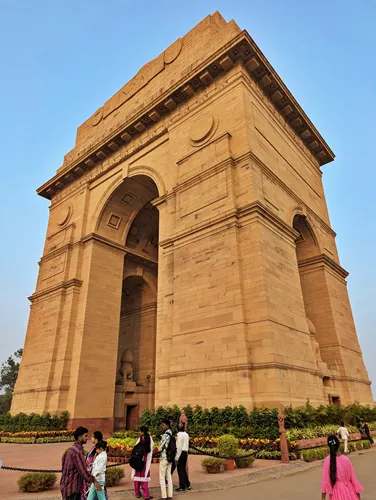
India Gate stands 138 ft (42 m) tall and is designed in the style of a classical triumphal arch, often drawing comparisons to the Arc de Triomphe in Paris.
Material: It is constructed from warm yellow and red sandstone, sourced from Bharatpur, which glows beautifully at sunrise and sunset.
Inscriptions: Engraved into the faces of the arch are the names of over 13,000 British and Indian soldiers who perished in the conflicts it commemorates.
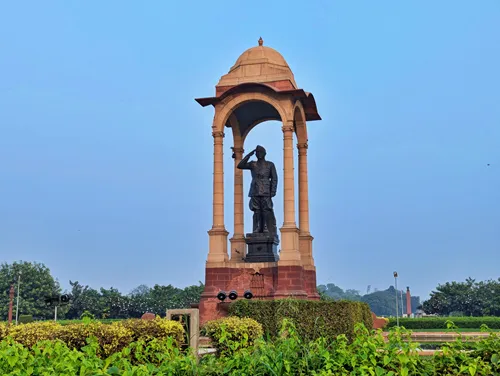
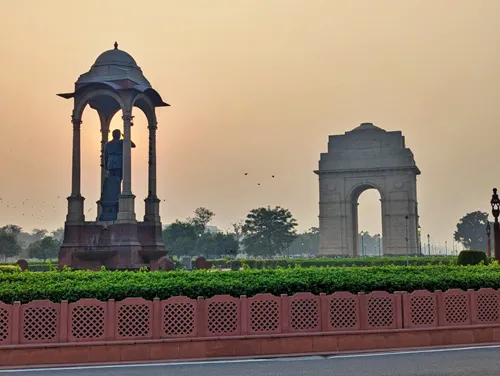
The Canopy: Just behind the arch stands a large sandstone canopy, also designed by Lutyens. It originally housed a statue of King George V. Today, this space is home to a magnificent 28-foot-tall granite statue of Netaji Subhas Chandra Bose, recognizing his profound contribution to India's freedom struggle.
What Else Can Be Seen There
The India Gate complex is a major public space encompassing more than just the arch:
The Netaji Subhas Chandra Bose Canopy
Immediately behind (east of) India Gate, located on the axis of the Kartavya Path, stands a majestic sandstone canopy.
Original Purpose: Also designed by Lutyens, this canopy originally housed a marble statue of King George V.
Current Significance: Today, this space is dedicated to an imposing 28-foot-tall (8.5 m) granite statue of Netaji Subhas Chandra Bose, the leader of the Indian National Army (INA). Its placement here recognizes his profound contribution to India's freedom struggle, anchoring the memorial complex firmly in the narrative of independent India.
The National War Memorial (Rashtriya Samar Smarak)
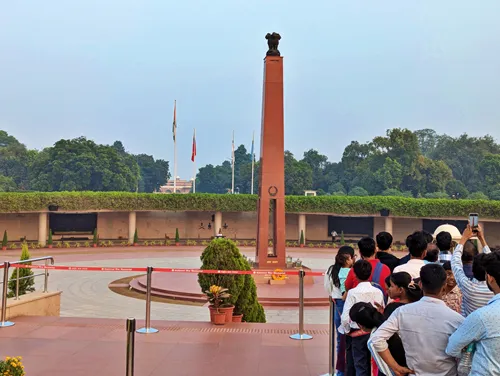
Located right east from the Netaji Subhas Chandra Bose Canopy, this modern memorial, inaugurated in 2019, is the nation's definitive tribute to soldiers who have died in the service of India since 1947.
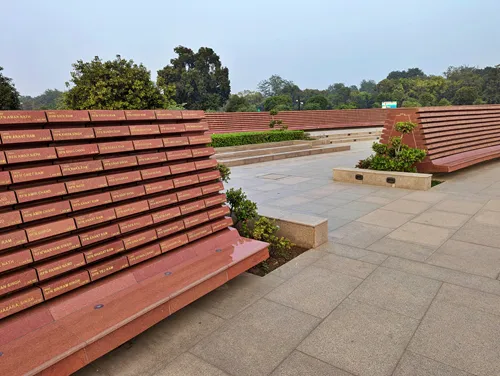
Design: The memorial features a highly symbolic circular, four-concentric-circle design known as the Chakra Vyuh. Each circle represents a value:
Amar Chakra (Circle of Immortality): The central zone where the new Eternal Flame is housed.
Veerta Chakra (Circle of Bravery): Features six bronze murals depicting famous battles.
Tyag Chakra (Circle of Sacrifice): The ring dedicated to the names of the fallen inscribed on granite tablets.
Rakshak Chakra (Circle of Protection): A ring of more than 600 trees symbolizing the defending soldiers.
Experience: The NWM is designed for quiet contemplation and reflection, offering a moving experience that complements the grand, historical statement of the India Gate.
Security: Be prepared to go through a metal detector to enter this memorial.
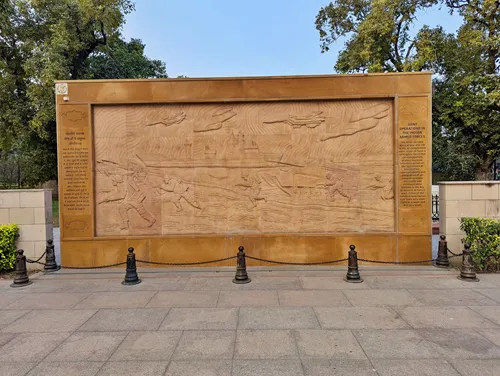
The Spectacular Night View
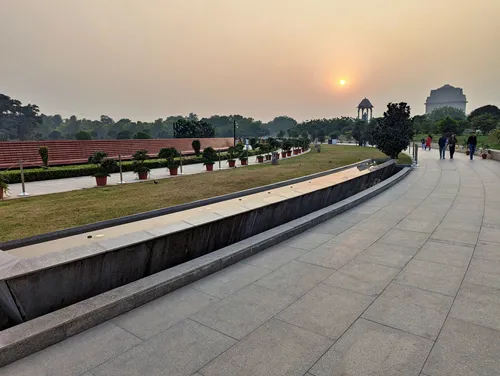
When the sun sets, India Gate transforms into a breathtaking spectacle. The entire structure and its surroundings are brilliantly illuminated by powerful floodlights. The sight of the massive arch glowing against the night sky, reflected in the nearby canals and fountains, is mesmerizing and draws massive crowds of tourists and locals alike. It is arguably the best time to visit for purely aesthetic reasons.
Practical Information
Accessibility: India Gate is easily reached via taxi or Uber, the Central Secretariat Metro Station (Yellow and Violet Lines), followed by a short auto-rickshaw ride or a 20-minute walk down the Kartavya Path.
Timing: The complex is open 24 hours a day, 7 days a week, making the evening visit for the lighting display highly recommended.
Security: Due to its importance, the area is heavily guarded, especially during major holidays. Expect increased security checks in the vicinity.
Back to the Day 1 Walking Tour
Where do you want to go now?

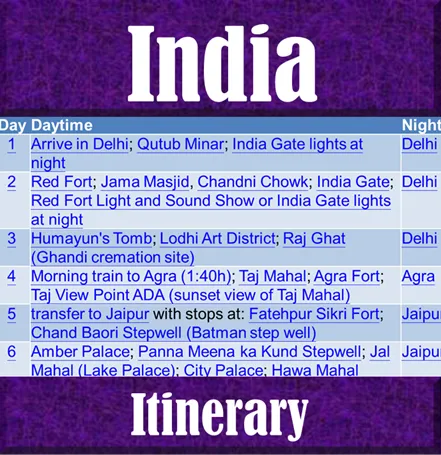
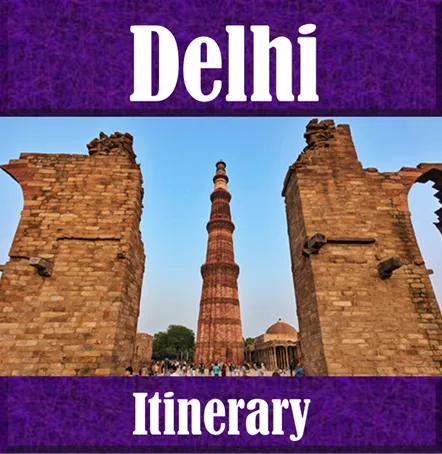
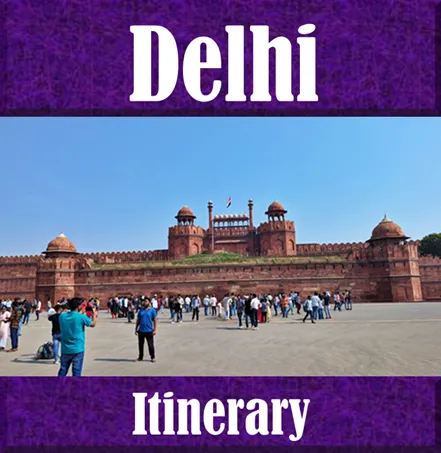
Author: Rudy at Backpack and Snorkel
Bio: Owner of Backpack and Snorkel Travel Guides. We create in-depth guides to help you plan unforgettable vacations around the world.

Other popular Purple Travel Guides you may be interested in:
Like this Backpack and Snorkel Purple Travel Guide? Pin these for later: