India's Golden Triangle: The Ultimate Guide for Your Unforgettable Journey | India Purple Travel Guide
India is a destination of profound contradictions — it is ancient and modern, chaotic, and spiritual, overwhelming and can be utterly serene. It is, as many travelers describe it, an assault on the senses, and it can be one of the most rewarding experiences you will ever have.
For the first-time visitor, this sensory journey needs a clear roadmap. That roadmap is the Golden Triangle — the iconic circuit of Delhi, Agra, and Jaipur — a perfectly crafted itinerary that delivers the essence of North India's history, culture, and architectural genius in one manageable trip.
Here at Backpack and Snorkel Travel Guides, we promote self-guided walking tours.
But we realize that not everybody likes to walk by themselves in a foreign city. So, just in case that you rather go with ab guide: NO PROBLEM! Please see the GuruWalk and Viator tours below.
free GuruWalk tours
paid Viator tours
Why You Should Visit India: The Unparalleled Reward
A trip to India is an investment that pays in history, spiritual insight, and breathtaking beauty. The reasons to visit are as vibrant and numerous as its people:
Architectural Majesty: India is a museum of stone, where every dynasty has left a masterpiece. You will witness the sublime symmetry of the Taj Mahal, the formidable power of Mughal forts, and the delicate carvings of Rajput palaces. Is is a constant ‘wow’ moment that demands a camera at every turn.
A Feast for the Palate: Indian cuisine is a global powerhouse and experiencing it at its source is non-negotiable. From the buttery richness of North Indian curries to the delicate, complex flavors of authentic street food (chaat, parathas), the food alone is a journey of discovery.
Profound Cultural Layers: Four of the world's major religions were born here. This is a place where spirituality is interwoven with everyday life. Witnessing the devotion, the colorful festivals, and the sheer antiquity of its sites offers a perspective on human civilization unmatched anywhere else.
Human Warmth: Despite the crowds and the chaos, the warmth and curiosity of the Indian people—often ready to share a smile, offer help, or engage in conversation—is frequently cited as the most memorable part of the journey.
The Golden Triangle: India’s Perfect Masterclass
This circuit is ideal for first-time visitors because is is geographically compact and connects three cities that represent a beautiful cross-section of Indian history and culture. You gain a comprehensive cultural introduction without the stress of navigating the subcontinent’s massive scale.
Delhi: The Imperial Gateway
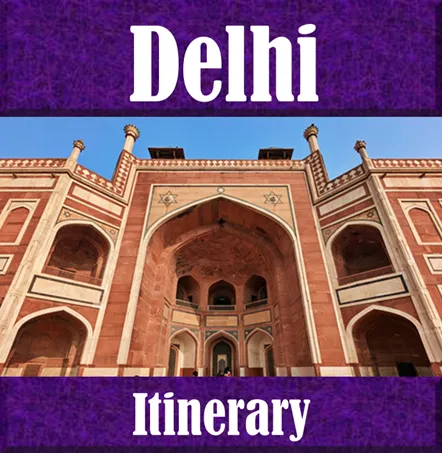
Delhi is where your Indian story begins. The city is a dazzling fusion of ancient Mughal history and modern metropolitan life.
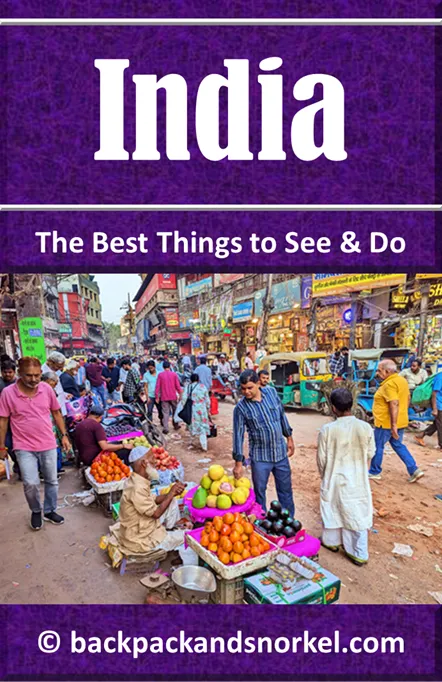
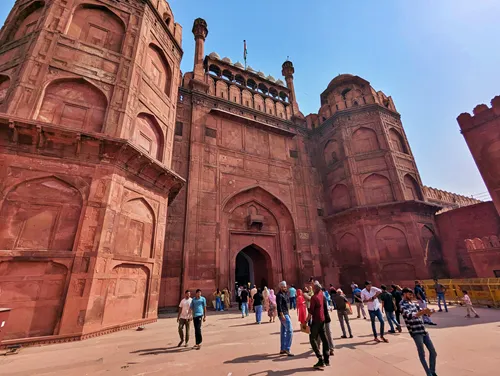
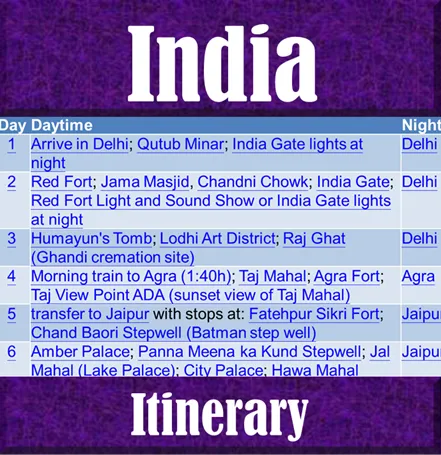
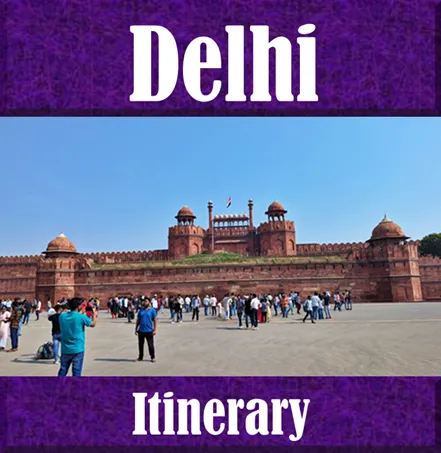
Start with the grandeur of Old Delhi by exploring the magnificent Red Fort and the towering Jama Masjid. For the ultimate immersion, hire a cycle-rickshaw to navigate the hyper-local markets of Chandni Chowk—a sensory overload that offers endless photographic opportunities and a true taste of local life.
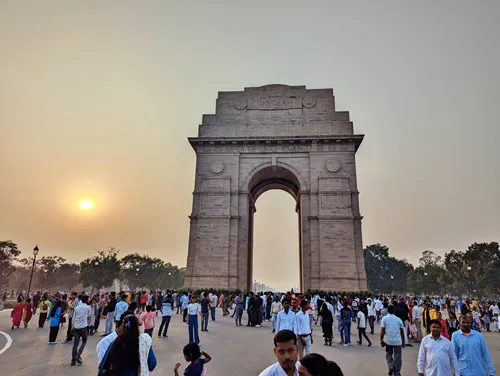
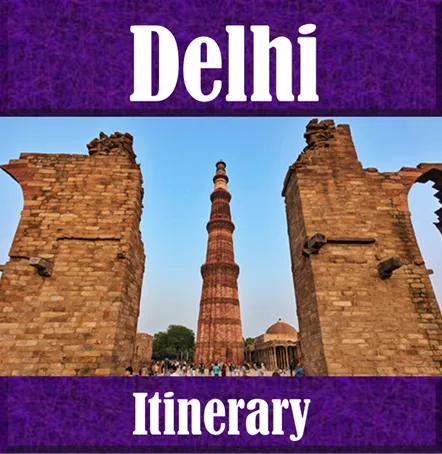
In contrast, explore the sophisticated architecture of New Delhi, including Humayun’s Tomb (a precursor to the Taj) and the towering Qutub Minar. Here, you can easily use the excellent metro to discover parts of the city independently, giving you valuable practice in self-guided navigation.Agra: The Monument to Eternal Love
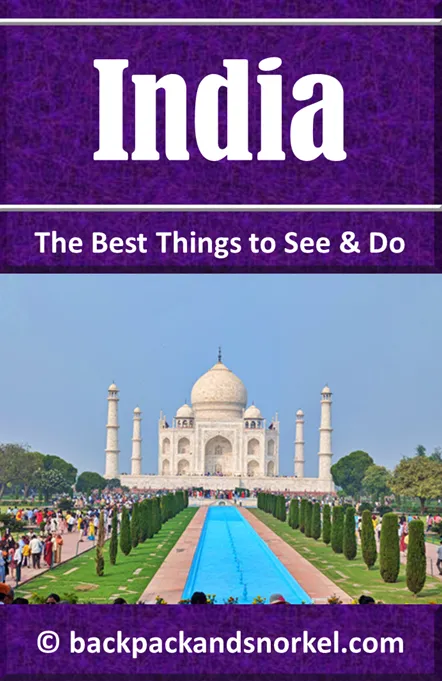
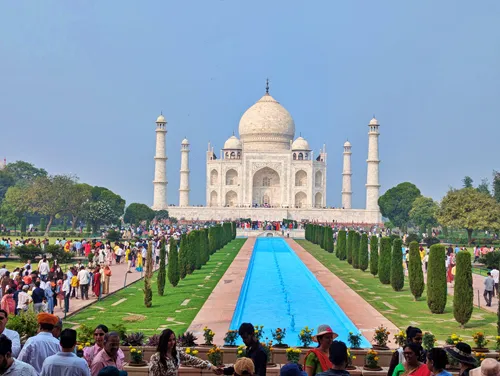
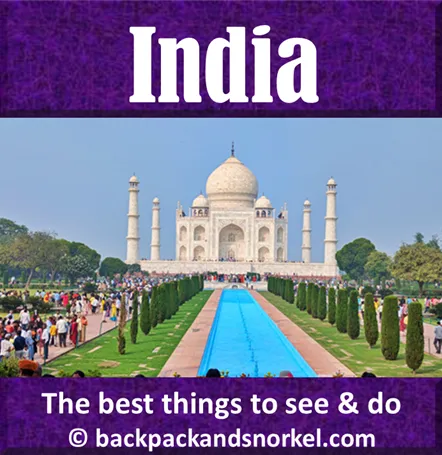
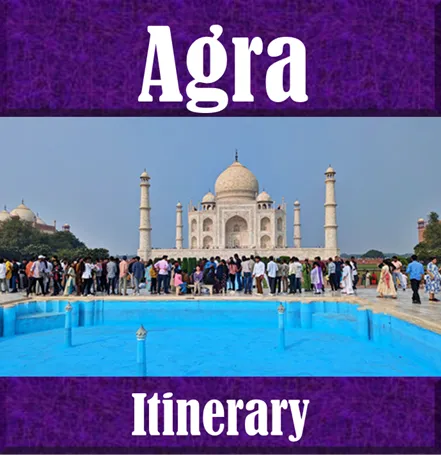
Agra exists for one reason: the incomparable Taj Mahal. No amount of photos can prepare you for the scale, the blinding whiteness, or the exquisite marble inlay work known as Pietra Dura. Arrive at sunrise to witness the marble shift from pale grey to soft gold, offering a unique and reflective photo perspective.
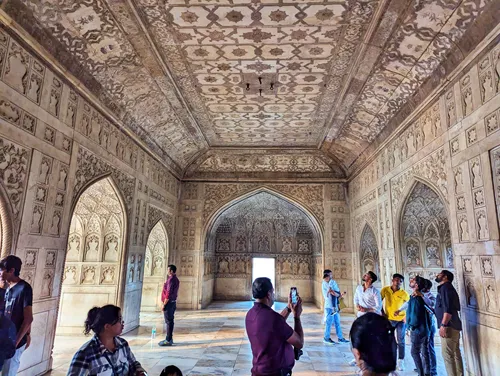
Beyond the Taj, explore the colossal red sandstone walls of the Agra Fort, which offers sweeping views of the mausoleum across the Yamuna River, connecting the two Mughal masterpieces.Jaipur: The Pink City's Royal Hues
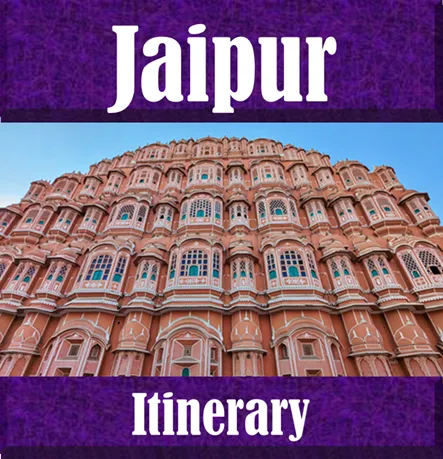
The third point of the triangle plunges you into the vibrant royal culture of Rajasthan. Known as the ‘Pink City’ for its uniform terracotta wash, Jaipur is packed with palaces, forts, and markets.
The massive Amber Fort (Amer Fort) is a must-see, featuring breathtaking courtyards and the spectacular Sheesh Mahal (Mirror Palace). In the city center, the honeycomb facade of the Hawa Mahal (Palace of Winds) is an essential stop and photo subject.
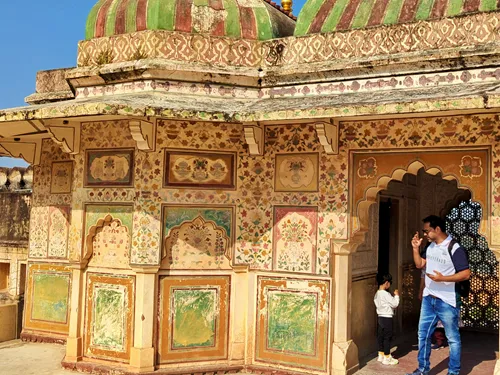
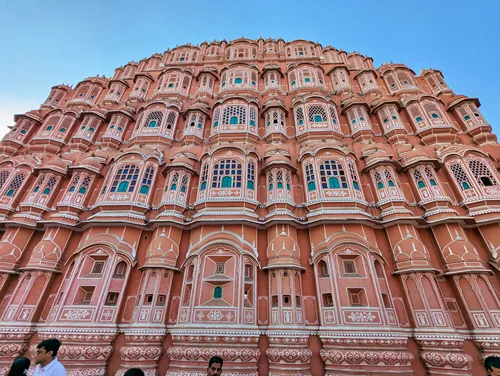
The Golden Triangle is the ideal, detailed blueprint for your first confident step into the magic, chaos, and unforgettable beauty that is India.
Traveling With Your Eyes Wide Open: Navigating the Challenge
An honest guide must acknowledge that India requires a specific mindset. It is a destination that will test your patience and push you beyond your comfort zone. For some, it might be too much; for others, this very chaos is the reward.
The most frequently cited challenge is the Sensory Overload. If you are sensitive to noise, know that the constant traffic cacophony — the blare of horns, the engine noise, the endless stream of people — is a daily reality. The roads are intense, crowded, and seemingly rule-less. If you cannot tolerate this level of public intensity, your journey will be difficult. Here is a video that we took which gives you an impression of what you will experience once you leave your hotel, restaurant, or museum.
You must also prepare for the issues of Health and Hygiene. ‘Delhi Belly’ is real. The rule is simple: only bottled water with an unbroken seal, and only freshly cooked, hot food. Avoid all tap water, ice, and unpeeled raw salads to keep your adventure on track.
Be aware of Touts and Scams. In crowded tourist areas, people may offer misleading information, like telling you your hotel or train station is closed, to steer you toward a commission-based service. Self-discovery requires confidence: be polite but firm, pre-book your major transport, and negotiate the price of local taxis or rickshaws before the journey begins.
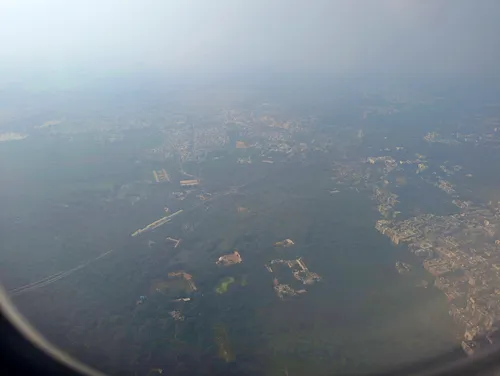
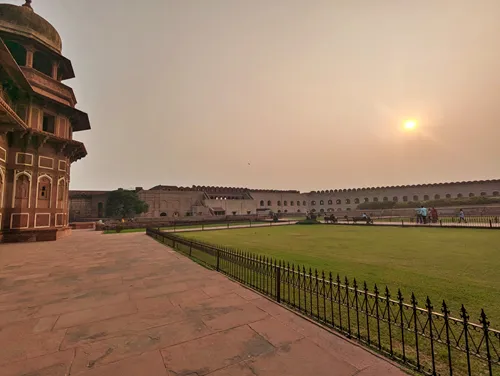
Finally, be advised that traffic in India’s cities is not just a constant source of noise, but a significant contributor to air pollution. There is a reason, why all motorized traffic is banned within a 1km (0.6 mile) radius from the Taj Mahal in Agra, any why the sun in India’s cities will never blind you and, at best, appear as a hazy whitish disk in the sky, even if there are no clouds.
General Information about India
India is an adventure of a lifetime, but it is not a country you visit unprepared. To experience its vast beauty and spiritual depth, a traveler needs to understand a few critical cultural and logistical realities. This guide covers the essential, practical knowledge required to transform a potentially overwhelming trip into a deeply rewarding experience of self-discovery.
Visa Requirements for India
e-Visa System: Most tourists are eligible for the electronic visa (e-Visa), which is the most convenient way to apply. You can apply online for tourist stays of various durations (e.g., 30 days to 180 days, depending on your nationality and the visa type).
Here are websites where you can apply for an Indian e-Visa:
Be advised that it takes a long time to fill out the e-Visa application. The authorities ask lots of very detailed questions, including about your parents, visa numbers of previous trips to India, and countries you have previously visited. You will also need a photo of your passport data page, and a newer digital passport photo that meets India’s guidelines for file size, naming of the photo, and position of your head.
The process is:
You fill out the e-Visa application (website)
You pay the application fee online
You wait a few days until your visa application is hopefully approved. The email will contain a link to your Electronic Travel Authorization (ETA)
Print the ETA
As of October 1, 2025: Within 72h before arriving in India, fill out the e-Arrival Card (website)
At immigration at the airport in India, show the ETA printout to the officer.
The Golden Rule: Always apply directly through the official Government of India website. Be wary of third-party websites that look official but charge excessive fees.
If you feel you cannot fill out the e-Visa application, were rejected, or want a professional third party to file the application for you, please consider: iVisa.
Requirements: Your passport must be valid for at least six months from the date of arrival and have at least two blank pages.
Currency and Money Matters in India
The currency used in India is the Indian Rupee (INR). You can find the exchange rate here.
INR Notes come in denominations of ₹10, ₹20, ₹50, ₹100, ₹200, ₹500, and ₹2,000.
While many hotels, upmarket restaurants, and major shops in larger Indian cities accept credit/debit cards (Visa/Mastercard), cash is essential for taxis, small vendors, street food, rickshaws, and nearly everything in smaller towns.
ATMs are widely available in cities and major towns. Look for ATMs attached to major banks (e.g., SBI, HDFC) and use them during daylight hours. A common withdrawal limit is around ₹10,000 per transaction.
Avoid exchanging large sums at airports or hotels due to poor rates. Use bank ATMs or reputable authorized money changers.
Climate and Best Time to Visit India
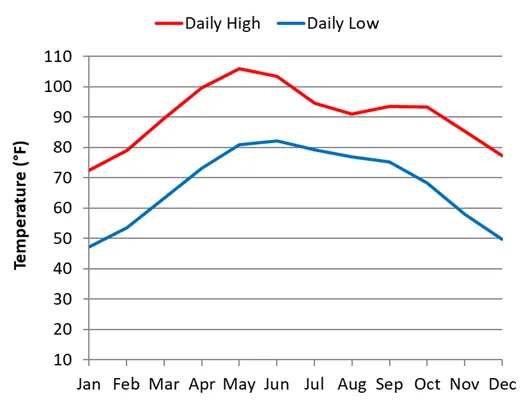
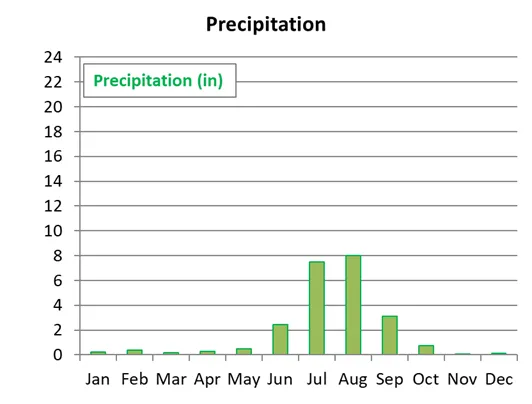
India's climate varies widely by region. The best time to visit the popular Northern and Central regions is generally during the dry, cooler season.
Peak Season (October to March): Ideal weather for sightseeing in the north (Delhi, Rajasthan, Golden Triangle). Days are warm, and nights are cool.
Caution: December and January can be very cold with heavy fog in the north.Hot Season (April to June): Temperatures soar, often reaching or more, making travel uncomfortable. This is the best time, however, for wildlife spotting as animals congregate around limited water sources.
Monsoon Season (June/July to September): Heavy rainfall, high humidity, and travel disruptions, especially in coastal areas and the Himalayan foothills. The exception is Ladakh, which is best visited during this time.
Here is the climate that you can expect during your trip to Delhi:
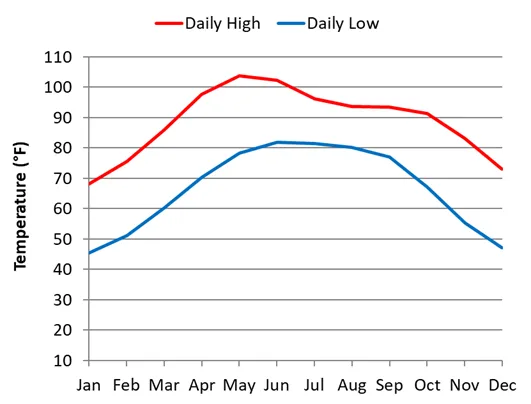
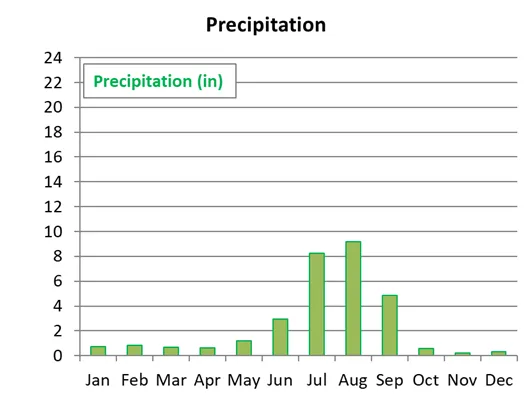
Here is the climate that you can expect during your trip to Agra:
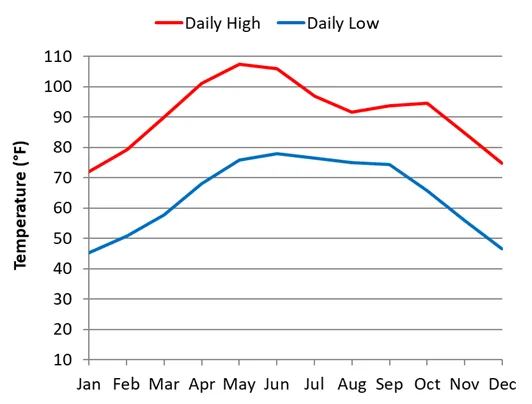
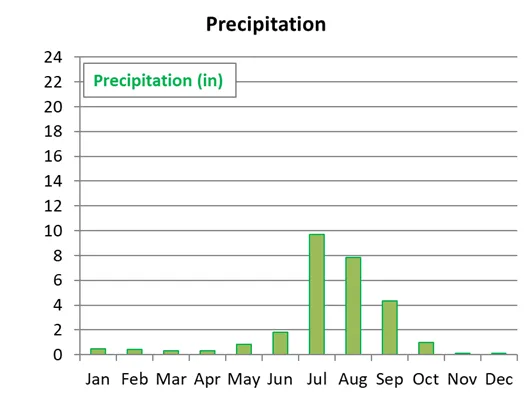
Here is the climate that you can expect during your trip to Jaipur:
Health and Safety in India
India is generally safe, but its high density and unique infrastructure mean a traveler must be alert and prepared. The primary risk factors are related to mobility and hygiene.
Opportunistic Crime and Scams
While violent crime against tourists is rare, petty theft and scams are common, especially in crowded tourist hotspots, near railway stations, and in large markets.
Pickpocketing
Keep your wallet and phone secure. Use a money belt or a secure cross-body bag. In crowded trains and buses, keep your backpack or bag on your lap or chest, not on your back.Bag Snatching
Be wary of motorbikes driving close to the sidewalk, as snatch-and-run thefts are a known risk. Don't carry your phone or camera loose on the street side.Tourist Scams
Be prepared for touts who may approach you outside major attractions. They often claim that the attraction, your hotel, or the railway station is ‘closed’ or ‘full’ to redirect you to an alternative service (shop, hotel, or driver) where they earn a commission. Be polite but firm, and trust information only from official signs or staff inside the venue.The ‘Closed’ Tactic
If a driver or stranger tells you an attraction is closed, ask them to take you to the official entrance gate anyway — 99% of the time, it will be open.
Note: google maps is really good showing the correct entrance of an attraction - but unfortunately it is not correct 100% of the time.
Road Safety: Navigating the Chaos
Traffic in India is almost always chaotic, often lacking the rules and predictability found elsewhere.
Taxis vs. Ride-Hailing
While normal taxis are typically safe, we recommend using ride-hailing apps like Uber or Ola for city travel. They offer upfront pricing, credit card payment options, and the app provides a tracking and help function.Nighttime Walking
For personal safety, avoid walking alone at night, especially in unfamiliar areas.Inter-City Travel
For travel between cities, always pre-book transport through a reputable travel agency or online platform (e.g., Viator, GetYourGuide, Klook) to ensure verified service.Tuk-Tuk Reality
Tuk-tuk taxis (auto-rickshaws) are everywhere, they are inexpensive and often faster than regular taxis for short routes. However, a major caution: tuk-tuk accidents are more frequent than car accidents, and as there is no cushioning, injuries are much more severe. Use them wisely and perhaps avoid them on long, high-speed roads.
Food and Drinks: The 'Eat Smart' Rule
The general rule is: ‘Eat and drink smart’. The most common travel setback is an upset stomach, which can be easily mitigated by strict adherence to these rules:
Water and Drinks
Only drink bottled water with a sealed cap
Bacteria in tap water can make you sick. The only way to make your own tap water safe is to bring it to a full boil for at least one minute.Brush Your Teeth with Bottled Water
It is strongly recommended to brush your teeth with bottled water, especially if your stomach gets upset easily. Showering is OK but keep your mouth closed.Avoid all ice cubes
They are typically made from tap water.Avoid Fountain Drinks
They may use tap water to dilute the syrup concentrate.Only Drink from Factory-Sealed Bottles or Cans
If drinks are served in unopened, factory-sealed bottles or cans, they should be fine. Be vigilant against fake-sealed bottles or cans.Prefer Hot Drinks
Hot tea and coffee are generally safe, but stay away from iced coffee or iced tea, and ask for cream or milk in factory-sealed containers.Avoid Freshly Made Fruit Juices
These can be diluted with tap water. (Note: We chose to break this rule a few times for delicious mango smoothies in higher-end restaurants that catered mostly to tourists, as those restaurants generally adhere to higher hygiene standards.)
Food
Avoid Raw Food
Stick strictly to food that is piping hot and freshly cooked. Avoid unpeeled raw fruits and vegetables and salads, as they may have been washed with tap water.Choose Tourist-Friendly Stalls
Avoid food stalls and restaurants that cater only to locals and use reusable plates or utensils. We have seen stalls wash plates, glasses, and utensils in buckets which contained water that had not been changed in a while. The water was dirty brown, and no detergents were used. Even if the food is hot and freshly prepared, the unsanitary utensils can make you sick.
Vaccinations and Medical Prep
Consult your doctor or a travel clinic well in advance (4–6 weeks) for recommendations on Hepatitis A & B, Typhoid, and Tetanus. Discuss preventative measures for Malaria and Dengue based on your itinerary.
Malaria Pills
Chances are that your doctor will recommend you take malaria pills. The most popular option (Atovaquone/Proguanil) needs to be taken about 2 days before entering India, daily during your trip, and until 7 days after you leave India. Be prepared to pay about $1 per pill, with 1 pill taken daily.
Air pollution
Even on days with no clouds in the sky, the sun will look like a white disk which is maybe a little brighter than the full moon at night where you live. Looking directly into the sun will not blind you. This is because air pollution in India is several magnitudes worse compared to where you live. Because of this, we simply cannot recommend to stay in India for any extended period of time.
Emergency Numbers
Police: 100
Ambulance: 102
All-in-one Emergency (National): 112
Transportation within India
Transportation within a city
The main modes of transportation offer a mix of safety, convenience, and cost. Your key safety tool is the license plate color, which indicates a vehicle's legal status.
Vehicle Type |
Plate Color |
Text Color |
Purpose |
|---|---|---|---|
Commercial & Transport |
Yellow |
Black |
Must be used by vehicles for hire (taxis, tuk-tuks, buses, trucks). The driver must also hold a commercial driving permit. |
Electric Vehicle (EV) |
Green |
Yellow |
Used for Commercial electric vehicles (e.g., e-rickshaws, e-taxis). |
Self-Drive Rental |
Black |
Yellow |
Used for vehicles that are rented out to customers who drive themselves. |
Private & Personal |
White |
Black |
Cannot be used for commercial purposes (transporting passengers or goods for a fee). |
Electric Vehicle (EV) |
Green |
White |
Used for Private electric vehicles. |
Safety Rule: Never get into a taxi or vehicle that is accepting fares if it has a white license plate. This indicates a private, non-commercial vehicle operating illegally.
Taxis
Taxis are plentiful and generally safe but ensure you use an officially licensed vehicle (check for the yellow license plate).
Fare Meters: Official taxis are legally required to have a working fare meter installed. If a driver claims the meter is broken and insists on bargaining, it is a common red flag for a potential overcharge.
Driver & Vehicle Credentials: Look for a driver's ID card and the vehicle's taxi license number prominently displayed inside the cab (often on the dashboard).
Tuk-Tuks (Auto-Rickshaws)
Tuk-tuk taxis are everywhere, inexpensive, and often faster than regular taxis for short routes.
Safety Caution: Tuk-tuk accidents are more frequent than car accidents, and as there is no cushioning, injuries are much more severe. Use them wisely and avoid them on long, high-speed roads.
The Golden Rule: Always agree on a price beforehand. Verify the yellow license plate.
Ride-Hailing Apps
We recommend using ride-hailing apps like Uber or Ola for city travel. They offer upfront pricing, credit card payment options, and the app provides a tracking and help function.
Price Comparison: In our experience, local licensed taxis are typically 50-100% more expensive than Uber/Ola for the same route.
The Waiting Game: Be advised that it is common for ride-hailing app drivers to cancel your ride, often due to traffic, finding a closer fare, or simply not wanting the route. It can easily take 20–30 minutes for a driver to arrive at your pick-up location. During that time, you will likely be approached by dozens of taxi and tuk-tuk drivers offering their services.
Dealing with Train Station Pressure
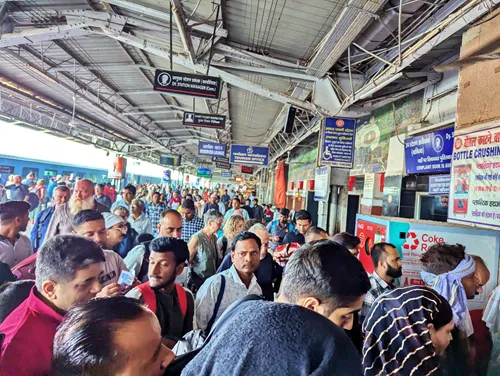
If you arrive by train, you will be immediately and constantly approached by dozens of taxi and tuk-tuk drivers as soon as you depart the secure area. Waiting 20–30 minutes for your ride-hailing app-based ride to arrive while being constantly bombarded in a noisy, hot environment can be extremely stressful. Once the Uber driver arrives, he will likely need to park far away from the train station, as all nearby places are occupied by taxis and tuk-tuks. Finding your driver can be a challenge, as the Uber app is often not accurate enough. Therefore, our recommendation is: always take a taxi or tuk-tuk from a train station.
Bargaining Tactic: We went through this nerve-wrecking stressful experience a few times and were close to losing our sanity, but we learned a good bargaining tactic from it: Once you are surrounded by the taxi/tuk-tuk drivers, tell them your destination, and if you want a taxi or tuk-tuk. Then ask for their best price, and then counteroffer a reasonable price (e.g., 50% more than the Uber/Ola quote you saw on your app). Taxi drivers will typically offer about twice the Uber price. If one driver accepts your counter offer, the others will generally leave you alone as you and your driver walk to his vehicle. If you decide for a taxi ride, some tuk-tuk drivers will however likely still harass you.
Exception: Amber Fort in Jaipur
The situation at Amber Fort in Jaipur is unique and requires special planning:
The Requirement: No Uber or taxi driver in Jaipur will agree to a one-way trip to Amber Fort or a one-way pick-up from there. They will always insist on a round-trip fare where they wait for you and bring you back to Jaipur. This applies to both taxis and ride-share vehicles once they know your destination.
Every Uber driver in Jaipur will send you a message asking where you want to go. If you say Amber Fort, they will tell you that you must pay them for a return trip outside the Uber app. If you reject, then they will decline the ride.
This is not extortion, but understandable, as the fort lies outside the city, and is extremely crowded, costing your driver a lot of time.The Risk of getting Stranded: Do not assume you can walk back or catch a random ride. The area lacks safe sidewalks and is not serviced by one-way pick-ups. You risk being stranded.
Your Plan: When hiring a car/driver for Amber Fort:
Agree on the round-trip price beforehand.
Memorize where your driver is parked at the fort (there will be more than 100 other similar looking cars), and consider taking a photo of their face, the license plate, and their phone number.
Be patient upon return: the parking lot is jam-packed, and it will take your driver time to navigate out as several other cars will need to move out of his way.
Subway/Metro
India is rapidly expanding its subway/metro network. The Delhi Metro (reviews, website, network_map) is the country's largest, known for being inexpensive, clean, and reliable.
This is Premium Content! To access it, please download our
Backpack and Snorkel Purple Travel GuideAccessibility: While the network is designed for locals, it provides access to several major tourist sites (e.g., the Lal Quila station is close to the Red Fort).
The Last Mile: Be prepared for the final half mile to one mile (1-2 km) from the station to the attraction to require a short tuk-tuk or taxi ride, or a walk along a busy road with no sidewalks.
Single Journey Tokens: For occasional trips (valid for 1 day, 170 min after activation).
Multi-Trip Travel Card (Smart Card): Best for frequent commuters (offers a discount on fares).
Tourist Card: Available for 1-day (approx. ₹200 with deposit) or 3-day (approx. ₹500 with deposit) unlimited travel on the general network, excluding the Airport Express Line.
Fare: The ticket from DEL Airport station outside Terminal 3 to New Delhi Metro Station is approximately ₹60 (approx. $0.70 USD) at the time of writing and takes 23 min, is direct and has 3 stops.
Operating Hours: The Metro operates roughly from 5:00 AM to 11:30 PM.
Bicycle-Rickshaws
For very short distances, especially in dense pedestrian areas like Chandni Chowk, cycle-rickshaws are a charming and valid transportation form.
Caution: If you are tall (> 6 ft, >1.8m), you may have to bow down due to the seat height. If you are on the heavy side, your driver will need to work very hard and may expect a good tip afterward.
The Golden Rule: Always agree on a price beforehand.
Regional transportation
Car Transfers (with Driver)
For transfers between different cities (e.g., Agra to Jaipur as we do in this Purple Travel Guide), pre-booking a private car with a driver is an excellent, but comparably expensive option.
Advantages: You control the timing and stops, allowing you to visit attractions along the way. If you join a group transfer, then you surrender some of this control.
Booking: We recommend booking these transfers through reputable online resources, such as Viator or GetYourGuide.
Trains - Indian Railways
(reviews, website)
This is Premium Content! To access it, please download our
Backpack and Snorkel Purple Travel GuideTrains are the quintessential Indian travel experience and the best way to cover longer distances.
Classes for Foreigners: Don’t worry about the overcrowded railroad cars that you may have seen on the internet; foreigners cannot book those cars. The available classes for foreigners (SL, AC-1, AC-2, AC-3, EC, CC) are similar to those in the Western world.
Booking: Since the seats in the higher classes are limited, book well in advance—ideally at least 1–2 months for popular routes. We found AC-2 seats booked three months out for the Agra-Jaipur route, but AC-1 and EC were available.
Classes Explained:
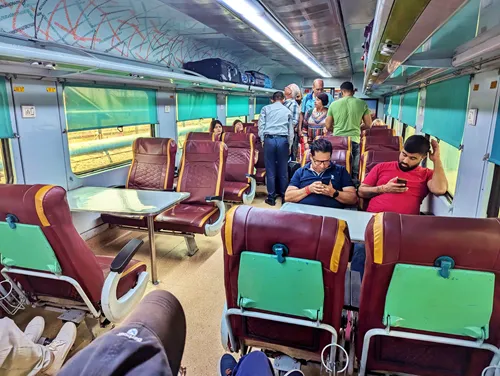
EC (Executive Class): The highest class on many routes (advertised as 1st/Business class). Does not act as sleeper, as it is only used during daytime.
AC-1 (First Class AC): Slightly lower quality than EC class, also used as highest quality sleeper class at night.
AC-2 / AC-3 (Second/Third Class AC): Comfortable, enclosed sleeper/seating cars.
CC (Chair Class): Basic reserved seating.
SL (Sleeper Class): Seats convert into lie-flat beds (often non-AC).
Experience: We booked EC seats for several train trips and found them to be in-between 1st and 2nd class on European long-distance trains.
Long distance travel within India
Flights
India is a large country. For very long distances (e.g., Delhi to Mumbai), flying is the better option unless you prefer multi-day or overnight train rides.
Airlines: While the flag carrier is Air India (website), India’s undisputed #1 airline with a dominant 60% market share is budget airline Indigo (website), which offers frequent connections across the country.
Experience: We flew Indigo and have nothing negative to report. They operate like a typical budget airline. Their planes were clean and the flights punctual, without excessive attempts to nickel-and-dime travelers for carry-on luggage size or weight.
Connectivity in India
SIM Card: If you don’t have a good global data plan, getting a local SIM card (Airtel or Jio) is highly recommended for reliable data. You can buy them at major airport kiosks or city stores. Be prepared for a bureaucracy; you will need passport photos, passport copy, visa copy, and the activation process can take several hours up to a full day.
Wi-Fi: Available in mid-to-high-range hotels and cafés but can be slow or unreliable.
eSIMs: A simpler but often more expensive option if your phone supports it, allowing you to activate service before you arrive without local paperwork.
Electricity and Power Plugs in India
Voltage: 230V at 50Hz.
Plugs: India primarily uses Type C (popular in Europe), Type D (popular in India and Nepal for small appliances), and Type M (popular in India, Nepal, Pakistan, and Southern Africa for larger appliances) plugs.

Type D (three round pins in a triangle) is the most common for wall sockets. You will most likely need a universal adapter. Be advised that Universal Adapters do not support Type M plugs.
Note: If your devices are from the US (110-120V), and are more than 10 or 20 years old, then you may need a voltage converter in addition to a plug adapter. However, most modern chargers for cell phones, laptops, shavers, hair dryers, etc. are dual-voltage (100-240V) and will work fine.
Time Zone in India
Indian Standard Time (IST): UTC +5:30.
India observes a single time zone for the entire country and does not use Daylight Saving Time (DST).
You can check the current time here.
Cultural Etiquette and Customs in India
Greeting: The traditional greeting is Namaste (or Namaskar), performed by pressing the palms together at the chest and bowing slightly. This is always appropriate, especially with elders or in formal settings. Handshakes are common in urban areas.
The Left Hand: The left hand is generally considered unclean. Always use your right hand to give or receive money, credit cards food, or objects, and when eating.
Dress Modestly: This is crucial, especially when visiting religious sites or in rural areas. Cover your shoulders and knees. Loose, light-colored cotton clothing works best for heat and modesty.
Public Affection: Public displays of affection like kissing are widely discouraged and can attract unwanted attention, even staring.
Shoes Off: Always remove your shoes when entering a temple, mosque, gurdwara, or an Indian home. Wear slip-on shoes for convenience.
Language in India
Official Languages: Hindi and English.
English: Widely spoken and understood in tourist areas, major cities, airports, and by the educated population. You can comfortably travel around India using English.
Local Languages: India has 22 scheduled languages and hundreds of dialects. Learning a few simple phrases in the local language (like Namaste, Dhanyawad - Thank you) is highly appreciated.
Religion and Beliefs in India
India is the birthplace of four major religions: Hinduism, Buddhism, Jainism, and Sikhism, and is home to the world’s third-largest Muslim population, alongside vibrant Christian communities.
Tolerance and Diversity: This deep religious diversity is fundamental to the Indian experience. You will encounter countless temples, mosques, gurdwaras, and churches.
Respect: When visiting any religious site, dress modestly, remove your shoes, and be mindful of active worship or rituals. Always ask permission before taking photos of people or rituals.
Food and Drinks in India
Regional Diversity: Indian food is not a single cuisine; it is a tapestry of regional styles.
North India: Known for rich, creamy curries, tandoor-baked breads (Naan, Roti), and mild spices (e.g., Butter Chicken, Daal Makhani).
South India: Focuses on rice, lentil-based dishes (Idli, Dosa), coconut, and spicier flavors.
Vegetarian Heaven: India is a paradise for vegetarians. Look for thalis (a platter offering a variety of small bowls of curries, bread, and rice) for a full culinary experience.
Alcohol: Laws vary by state, and some states have complete or partial prohibition. Even where legal, it is often not served in family-style restaurants. Public drinking is illegal.
For the Golden Triangle that we visit in this Purple Travel Guide, you must be aware of these regulations:Delhi: Consuming alcohol in licensed restaurants, bars, hotels, or pubs is allowed. Drinking in public outside of those establishments, even inside a parked car, is a punishable offense. Penalties can include fines (up to ₹5,000) and even imprisonment.
Agra: The Uttar Pradesh (state in which Agra is located) government has a ‘total ban’ on roadside and public drinking. Offenders can be booked under various sections of the Police Act and the Indian Penal Code. Consuming alcohol in licensed restaurants, bars, hotels, or pubs is allowed.
Jaipur: Consuming alcohol in licensed restaurants, bars, hotels, or pubs is allowed. Rajasthan (state in which Jaipur is located) has an excise policy that explicitly sets penalties for consuming liquor in public places outside of those permitted places.
Highlights of the History of India
Pre-Historic and Ancient India (c. 7000 BCE – 700 CE)
7000 BCE: The Neolithic settlement of Mehrgarh in modern-day Pakistan shows the earliest evidence of farming in South Asia.
3300–1700 BCE: The Indus Valley Civilization (Harappan Civilization) flourishes, developing planned cities like Harappa and Mohenjo-Daro with advanced sanitation and grid systems.
1500–500 BCE: The Vedic Period begins, leading to the composition of the Vedas, the foundational texts of Hinduism, and the establishment of the early social order.
1200 BCE: Composition of the Rigveda (earliest Indo-Aryan text and key to early Indian linguistics/history).
800–600 BCE: The Upanishads are composed, marking a philosophical shift toward concepts like karma, dharma, and reincarnation.
600 BCE: Sixteen major kingdoms, the Mahajanapadas, emerge across northern India, with Magadha becoming the dominant power.
563 BCE: Siddhartha Gautama (the Buddha) is born. He later founds Buddhism, which challenges the existing Vedic rituals and caste system.
540 BCE: Vardhamana Mahavira is born, laying down the final precepts of Jainism, emphasizing non-violence (ahimsa).
500 BCE: Rise of Taxila as a major center of learning and an early university (crucial for education and cultural transmission to the North-West and Central Asia).
326 BCE: Alexander the Great of Macedon invades the North-Western frontier, fighting the Battle of the Hydaspes against King Porus before his army mutinies and turns back.
322 BCE: Chandragupta Maurya founds the Mauryan Empire, unifying much of the subcontinent for the first time.
268–232 BCE: Ashoka the Great reigns, conquering Kalinga (Kalinga War of Ashoka) and subsequently embracing Buddhism, using his edicts to promote the principle of Dharma.
250 BCE: The Third Buddhist Council is held under Ashoka's patronage, leading to the dispatch of Buddhist missions across Asia.
185 BCE: The Mauryan Empire declines, leading to the fragmentation of North India and the rise of the Sunga dynasty.
200 BCE–300 CE: The Sangam Period flourishes in South India, seeing the development of the early Chola, Chera, and Pandya kingdoms and the composition of classical Tamil literature.
200 BCE – 200 CE: Spread of Indo-Greek, Indo-Scythian, and Kushan cultural exchange (Greco-Buddhist art of Gandhara).
100 BCE: Satavahana Dynasty in the Deccan (first major post-Mauryan power in central India).
100 BCE – 200 CE: Composition of the Charaka Samhita (medicine) and Sushruta Samhita (surgery), foundational texts of Ayurveda and evidence of advanced ancient Indian scientific achievement.
78 CE: Kanishka I becomes the ruler of the Kushan Empire, expanding it and patronizing Mahayana Buddhism.
320 CE: Chandragupta I establishes the Gupta Empire, ushering in India's ‘Golden Age’ of art, science, and literature.
5th Century CE: Formal establishment of Nalanda University.
400 CE: The Sanskrit poet and dramatist Kalidasa composes his masterpieces, including Shakuntala, marking the height of classical Sanskrit literature.
427 CE: Formal establishment of Nalanda University in Bihar, which became the largest and most famous Buddhist monastic center of learning in the ancient world.
499 CE: The astronomer and mathematician Aryabhata writes the Aryabhatiya, detailing the concept of zero for use in mathematics, the value of pi, and heliocentrism.
6th-7th Century CE: Bhakti Movement begins in South India (with the Alvars and Nayanars), emphasizing personal devotion and challenging caste-based worship—a crucial precursor to the medieval Bhakti movement.
550 CE: The Gupta Empire declines, and North India fragments into smaller regional kingdoms.
606–647 CE: Harshavardhana of the Pushyabhuti dynasty unites much of North India and patronizes the arts and Buddhism.
712 CE: Muhammad bin Qasim leads the Arab invasion of Sindh, establishing the first permanent Islamic foothold in the subcontinent.
Medieval India (c. 700 CE – 1707 CE)
750–1100 CE: The Tripartite Struggle for control of North India takes place between the Rashtrakutas (Deccan), Palas (Bengal), and Gurjara-Pratiharas (North).
850–1250 CE: The Chola Empire reaches its peak, dominating South India, conducting maritime trade, and launching naval expeditions to Southeast Asia.
1000–1027 CE: Mahmud of Ghazni launches numerous raids into North India from modern-day Afghanistan, primarily for plunder, including the sacking of the Somnath Temple.
1191 CE: The First Battle of Tarain takes place, where Prithviraj Chauhan defeats Muhammad of Ghor.
1192 CE: The Second Battle of Tarain occurs, with Muhammad of Ghor defeating Prithviraj Chauhan, marking a decisive shift in power to Islamic rulers in North India.
13th Century CE: Emergence of the Indo-Islamic synthesis in art, architecture (e.g., Qutb Minar), music (e.g., Amir Khusrau), and language (e.g., early Urdu).
1206 CE: Qutb al-Din Aibak establishes the Delhi Sultanate following the death of Muhammad of Ghor, beginning the rule of the Slave Dynasty.
1206 – 1290 CE: Establishment of the Qutub Minar complex (symbolic of early Indo-Islamic architecture).
1296–1316 CE: Alauddin Khalji reigns, implementing major administrative, market, and military reforms and successfully repelling Mongol invasions.
1325–1351 CE: Reign of Muhammad bin Tughlaq (famous for administrative experiments like shifting capital to Daulatabad and token currency).
1336 CE: The Vijayanagara Empire is founded by Harihara and Bukka in South India as a bulwark of Hindu culture and power.
1347 CE: The Bahmani Sultanate is established in the Deccan, constantly conflicting with the Vijayanagara Empire.
1398 CE: Timur (Tamerlane) invades and sacks Delhi, severely weakening the Tughlaq dynasty and the Delhi Sultanate.
1469 CE: Guru Nanak Dev, the founder of Sikhism, is born, beginning a new monotheistic religious tradition in the Punjab region.
1498 CE: Vasco da Gama of Portugal arrives at Calicut, marking the first direct European sea-route trade connection with India.
1526 CE: Babur defeats Ibrahim Lodi in the First Battle of Panipat, establishing the Mughal Empire in North India.
1529 CE: Battle of Ghaghra (consolidation of Mughal rule after Panipat and Khanwa).
1540–1555 CE: Sher Shah Suri establishes the Sur Empire, temporarily displacing the Mughals and introducing significant administrative and revenue reforms.
1556–1605 CE: Akbar the Great reigns, consolidating the Mughal Empire, expanding its territory, and promoting religious tolerance through his policy of Sulh-i-Kul (peace to all).
1565 CE: The Battle of Talikota results in the crushing defeat of the Vijayanagara Empire by the Deccan Sultanates, leading to its eventual collapse.
1600 CE: The British East India Company is formally chartered by Queen Elizabeth I, beginning the systematic entry of the British into Indian commerce.
1605–1627 CE: Jahangir’s reign (patronage of fine arts and strengthening of Mughal administrative institutions).
1608 CE: The English establish their first factory (trading post) at Surat, marking a permanent British presence.
1632–1653 CE: The Taj Mahal is constructed in Agra by Emperor Shah Jahan as a mausoleum for his wife Mumtaz Mahal, symbolizing the zenith of Mughal architecture.
1665 CE: Treaty of Purandar between Shivaji and Jai Singh (marks Maratha-Mughal diplomacy).
1674 CE: Chhatrapati Shivaji Maharaj is formally crowned, establishing the independent Maratha Kingdom against the Mughals.
1658–1707 CE: Aurangzeb reigns, expanding the Mughal Empire to its greatest geographical extent but also facing numerous rebellions and reintroducing the jizya tax.
1686–1687 CE: Aurangzeb’s conquest of Bijapur and Golconda (final subjugation of Deccan Sultanates).
1699 CE: Guru Gobind Singh establishes the Khalsa, the collective body of all initiated Sikhs, formally creating a warrior-saint community.
Late Medieval and Early Modern India (c. 1707 – 1857 CE)
1707 CE: The death of Aurangzeb triggers a succession crisis and the rapid decline of the central authority of the Mughal Empire.
1739 CE: Nader Shah of Persia invades India, sacks Delhi, and carries away immense wealth, including the Koh-i-Noor diamond and the Peacock Throne, accelerating the Mughal decline.
1757 CE: The Battle of Plassey is fought, where the British East India Company under Robert Clive defeats the Nawab of Bengal, marking the beginning of political control by the British.
1761 CE: The Third Battle of Panipat is fought between the Maratha Empire and an Afghan army led by Ahmad Shah Durrani, crippling the Maratha power and clearing the path for British dominance.
1764 CE: The Battle of Buxar secures British control over Bengal, Bihar, and Orissa, as the Company defeats the combined forces of the Mughal Emperor, the Nawab of Awadh, and the Nawab of Bengal.
1773 CE: Regulating Act (first British Parliamentary control over the East India Company — key constitutional milestone).
1784 CE: Pitt’s India Act (established dual system of control, a foundation of the Raj).
1793 CE: Permanent Settlement of Bengal (introduced by Lord Cornwallis, reshaping Indian agrarian economy).
1799 CE: Tipu Sultan, the ruler of Mysore and a fierce opponent of the British, is killed in the Fourth Anglo-Mysore War, leading to the annexation of Mysore.
1813 CE: Charter Act of 1813 (opened India to Christian missionaries and limited free trade).
1818 CE: The British defeat the Marathas in the Third Anglo-Maratha War, eliminating the last major indigenous challenge to Company rule.
1828 CE: Raja Ram Mohan Roy, a Bengali polymath and reformer who seeks to modernize Indian society in line with rationality, humanism, and ethical monotheism, founds the Brahmo Samaj (‘Society of God’) in Calcutta.
1829 CE: Lord William Bentinck formally abolishes the practice of Sati (widow immolation) in British India.
1833 CE: The Charter Act of 1833 ends the East India Company's commercial activities, converting it from a trading body to a purely administrative and political one under the Crown—a crucial step toward full British control.
1835 CE: The English Education Act is passed, making English the official language of government and introducing a Western-style curriculum in higher education.
1845–1846 & 1848–1849 CE: First and Second Anglo-Sikh Wars (annexation of Punjab
1853 CE: The first passenger railway line opens, connecting Bombay (Mumbai) and Thane, marking the beginning of modern infrastructure development.
1856 CE: The Hindu Widows' Remarriage Act is passed, legalizing the remarriage of Hindu widows.
The British Raj and the Independence Movement (1857–1947 CE)
1857 CE: The Indian Rebellion of 1857 (Sepoy Mutiny/First War of Indian Independence) erupts, a major, though unsuccessful, armed uprising against the British East India Company.
1858 CE: The Government of India Act is passed, transferring the administration of India directly from the East India Company to the British Crown (The British Raj begins).
1867 CE: Atmaram Pandurang founds Prarthana Samaj in Bombay as part of India’s 19th-century socio-religious reform movement, which is inspired directly by the Brahmo Samaj of Bengal from 1828. Its goals were to modernize Hindu society while maintaining a spiritual foundation.
1876 CE: Queen Victoria is proclaimed Empress of India (formalizing the British Raj’s imperial identity).
1885 CE: The Indian National Congress (INC) is founded, creating the first modern political platform for a national-level independence movement.
1889–1893 CE: Swami Vivekananda’s rise and Chicago address (pivotal for modern Hindu and national identity).
1904 CE: Formation of the Indian Home Rule Society (London) by Shyamji Krishna Varma — precursor to revolutionary nationalism.
1905 CE: The Partition of Bengal on communal lines is announced by Lord Curzon, sparking massive protests and the Swadeshi and Boycott Movement.
1906 CE: The All-India Muslim League is founded in Dhaka to safeguard the rights and interests of Muslims in British India.
1907 CE: The Surat Split occurs, dividing the Indian National Congress into 'Moderates' and 'Extremists' over differing approaches to the movement.
1909 CE: The Minto-Morley Reforms introduce the concept of separate electorates for Muslims, significantly affecting the political future of India.
1915 CE: Mohandas Karamchand Gandhi returns to India from South Africa, bringing his philosophy of Satyagraha (non-violent resistance).
1916 CE: The Lucknow Pact reunites the Congress factions and brings the INC and the Muslim League together on a common platform for self-governance.
1917 CE: Gandhi launches the Champaran Satyagraha, his first non-violent resistance movement in India, to aid indigo farmers.
1917 CE: Montagu Declaration (promise of gradual self-government).
1919 CE: The Jallianwala Bagh Massacre occurs in Amritsar, where British troops fire on a peaceful crowd, galvanizing the national movement.
1920–1922 CE: The Non-Cooperation Movement is launched by Gandhi and the INC, advocating for the boycott of foreign goods, institutions, and titles.
1922 CE: The Chauri Chaura incident occurs, where a violent mob clash leads to Gandhi abruptly withdrawing the Non-Cooperation Movement.
1927 CE: Formation of the Hindustan Socialist Republican Association (HSRA) by revolutionaries like Bhagat Singh and Chandrashekhar Azad, representing the parallel armed revolutionary movement against the British.
1928 CE: The Simon Commission arrives in India, facing nationwide protests due to the lack of any Indian members.
1929 CE: The INC passes the Purna Swaraj (Total Independence) resolution at its Lahore Session.
1930 CE: Gandhi launches the Civil Disobedience Movement with the Salt Satyagraha (Dandi March), challenging the British monopoly on salt.
1931 CE: The Gandhi–Irwin Pact is signed, temporarily halting the Civil Disobedience Movement and allowing Gandhi to attend the Second Round Table Conference.
1932 CE: Poona Pact between Gandhi and Dr. B.R. Ambedkar (major Dalit rights milestone).
1935 CE: The Government of India Act 1935 is passed, introducing provincial autonomy and establishing a framework for a federation, becoming the blueprint for the Constitution of India.
1939 CE: World War II begins, and the British unilaterally involve India; Congress Ministries resign in protest.
1940 CE: The Lahore Resolution is passed by the Muslim League, officially demanding the creation of a separate state for Muslims.
1942 CE: The Quit India Movement is launched by the INC, demanding an immediate end to British rule and using the slogan ‘Do or Die.’
1943–1944 CE: The Indian National Army (INA), led by Subhas Chandra Bose, actively fights for Indian independence in Southeast Asia.
1946 CE: Naval Mutiny of Bombay (key to the British decision to expedite withdrawal).
1946 CE: The Cabinet Mission Plan is sent to India to negotiate the transfer of power and devise a framework for the new constitution.
August 15, 1947 CE: India gains independence from British rule, but is simultaneously partitioned into two independent dominions: India and Pakistan.
Post-Independence India (1947 CE – Present)
1947–1948 CE: The First India-Pakistan War is fought over the princely state of Jammu and Kashmir.
January 30, 1948 CE: Mahatma Gandhi is assassinated, plunging the newly independent nation into mourning.
1948 CE: The integration of princely states is completed under the leadership of Sardar Vallabhbhai Patel, unifying the territory of India.
January 26, 1950 CE: The Constitution of India comes into force, establishing India as a sovereign, socialist, secular, and democratic republic.
1951–1956 CE: India launches its first Five-Year Plan, beginning a state-led approach to economic development.
1952 CE: India holds its first general elections based on universal adult franchise, marking a massive democratic exercise.
1953 CE: The States Reorganization Commission is set up, eventually leading to the reorganization of states along linguistic lines.
1956 CE: The States Reorganization Act is passed, implementing the linguistic basis for states like Andhra Pradesh, Kerala, and Karnataka.
1959 CE: Dalai Lama’s exile and India’s asylum policy triggers future Sino-Indian tensions.
1961 CE: India uses military force to liberate Goa from Portuguese rule, ending all European colonial presence in the country.
1962 CE: The Sino-Indian War is fought over border disputes, resulting in an Indian military defeat and a permanent reshaping of foreign policy.
1964 CE: Jawaharlal Nehru, the first Prime Minister of India, passes away.
1965 CE: The Second India-Pakistan War is fought, ending in a UN-mandated ceasefire.
1966 CE: The Green Revolution begins with the introduction of high-yielding crop varieties and modern farming techniques to increase food grain production.
1969 CE: The government nationalizes 14 major Indian banks, shifting banking power from private hands to the state.
1971 CE: The Indo-Pakistani War of 1971 leads to the decisive defeat of Pakistan and the birth of Bangladesh.
1972 CE: Simla Agreement between India and Pakistan defines the Line of Control after 1971 war.
1974 CE: India conducts its first peaceful nuclear explosion, code-named Smiling Buddha, asserting its nuclear capability.
1975–1977 CE: The Emergency is declared by Prime Minister Indira Gandhi, suspending civil liberties and marking a dark chapter for Indian democracy.
1984 CE: Operation Blue Star is conducted by the Indian Army on the Golden Temple in Amritsar, followed by the assassination of Indira Gandhi and subsequent anti-Sikh riots.
1989 CE: Rise of coalition politics / Mandal Commission implementation (1990) (transformed caste and electoral politics).
1991 CE: Assassination of Rajiv Gandhi (former Prime Minister), has a major impact on the political landscape and the Congress Party's future.
1991 CE: India initiates major economic liberalization reforms (LPG – Liberalization, Privatization, Globalization) under Prime Minister P.V. Narasimha Rao and Finance Minister Manmohan Singh.
1992 CE: The Babri Masjid is demolished in Ayodhya, leading to widespread communal riots across the country.
1997 CE: Arundhati Roy wins the Man Booker Prize for The God of Small Things, symbolizing India's emergence in the global literary scene.
1998 CE: India conducts a series of underground nuclear tests (Operation Shakti/Pokhran-II), officially declaring itself a nuclear weapons state.
1999 CE: The Kargil War is fought between India and Pakistan in the Kargil district of Jammu and Kashmir, resulting in an Indian victory.
2008 CE: India-U.S. Civil Nuclear Agreement restores India’s global nuclear legitimacy.
2010 CE: The Right of Children to Free and Compulsory Education Act comes into effect, making education a fundamental right for children aged 6 to 14.
2014 CE: Narendra Modi becomes Prime Minister (marks new political era and major policy shifts).
2016 CE: Demonetization drive (huge national economic event).
2019 CE: Abrogation of Article 370 (Jammu & Kashmir special status) (transformative constitutional event).
The Art of the Head Bobble / Head Wobble
The unique side-to-side head bobble is a common Indian gesture. It can mean ‘yes’, ‘I understand’, ‘I agree’, or ‘maybe’. It is an expression of encouragement or acknowledgement, often more about politeness than a definitive answer. Context is key!
We have seen this quite a few times and really find it a beautiful gesture.
Staring and Personal Space
As a foreigner, you will likely be stared at. Indians are openly curious, and staring is often a neutral act of interest, not malice.
Personal space is a Western concept; expect to be in very close quarters in markets, on public transport, and in crowds. Embrace the density and keep your belongings secure.
Tipping (Baksheesh)
Tipping is common in India.
Always carry small denomination notes (₹10, ₹20, ₹50) with you as large notes are difficult for service staff to break!
For porters, drivers, and hotel staff, a small amount (₹50–₹100) is appreciated, if they provide a service. If you don’t want to pay, or have no small change, then say ‘No’ and carry your own bag.
Tip housekeeping ₹50 rupees day and remember that the person who tidies your room may change daily.
Airport shuttle drivers should get ₹50 for their service.
In restaurants and bars, tip 10% if service is not already included – check the bill carefully. For superior service, tip 15%.
For a single ride taxi, round up the fare to the next 10, unless you booked a taxi for the whole day, then tip ₹50–₹100.
For ride-hailing app rides, tipping is optional, and you can tip through the app.
Rickshaw drivers should be tipped by rounding up to the next 10.
If you have hired a tour guide:
For an excellent local guide on a half-day tour, a tip of ₹200–₹500 is appropriate, depending on the length and quality of the tour.
For an all-day guide, consider ₹500–₹1000.
Be firm but polite with touts (people who try to sell you services or tours); a simple, strong ‘No, thank you’ is often sufficient. Some are very persistent and only stop if you walk away, typically for at least 100 ft (30 m).
Beggars sometimes ask for baksheesh, but this is a misuse of the word.
Which Type of Accommodation to Choose in India
India's lodging scene is as vast and varied as the country itself. Unlike in most countries, where ‘hotel’ means one standard type of stay, India offers a wide range of accommodations, from the stately elegance of converted Royal Palaces (Heritage Hotels) to the immersive warmth of a family-run Homestay tucked away in a quiet neighborhood.
Choosing where to rest your head each night is an important decision that will impact your budget, comfort level, and overall cultural immersion.
This chapter will break down the primary accommodation types available across the country, helping you select the perfect base, regardless if you seek guaranteed Western luxury, a vibrant backpacker community, or a truly authentic connection with local life. Understanding these options is the first step toward finding your home away from home in India.
4.0.1 Luxury and Heritage Stays
Type |
Description |
Best For |
Budget |
|---|---|---|---|
Heritage Hotels (Palace Hotels) |
Historic properties (former palaces, forts, and stately mansions) converted into luxury hotels. They offer gorgeous architecture, royal service, and a deep sense of history. Rajasthan is famous for these. |
For travelers seeking a unique, opulent experience and a taste of India's royal past. |
High-End / Luxury |
International 5-Star Hotels |
Chains like The Oberoi, Taj, Leela, or foreign brands (Marriott, Hilton). They offer world-class amenities, excellent sanitation, reliable WiFi, and security, especially in major metro cities. |
Business travelers or those who prioritize guaranteed Western standards and reliable comfort. |
Luxury |
In the 5-Star Hotel category, we have reviewed:
Mid-Range Comfort
Type |
Description |
Best For |
Budget |
|---|---|---|---|
Boutique Hotels |
Smaller, stylishly designed hotels often found in city centers or hip neighborhoods. They focus on personalized service, unique decor, and modern amenities. |
Travelers who want style, comfort, and local flair without the palace price tag. |
Mid-Range to Upper Mid-Range |
3- and 4-Star Hotels |
Reliable, clean hotels with standard services like room service, attached bathrooms, and AC. These are your best bet for a predictable and comfortable stay. |
Most general tourists and families who prioritize reliability and moderate spending. |
Mid-Range |
In the Boutique Hotel category, we have reviewed:
In the 3-Star Hotel category, we have reviewed:
Budget and Authentic Immersion
Type |
Description |
Best For |
Budget |
|---|---|---|---|
Guesthouses & Homestays |
Family-run establishments where guests stay in a private room or separate wing of a local's home. They offer home-cooked food, personal safety advice, and a genuine cultural connection. Homestays are highly recommended for the most authentic experience. |
Cultural explorers and independent travelers who want to connect with local life and receive personalized attention. |
Budget to Mid-Range |
Dharamshalas |
Religious rest houses, often found near temples or pilgrimage sites, offering very basic lodging (sometimes communal) for a minimal donation or fee. |
Pilgrims or budget-focused adventurers comfortable with sparse, communal, and strictly traditional facilities. |
Very Budget / Donation |
Hostels |
Found primarily in major tourist hubs (Goa, Delhi, Jaipur, etc.). They cater to international backpackers, offering dorm rooms, private rooms, shared kitchens, and social activities. |
Solo and young travelers looking to save money and meet other travelers. |
Budget / Backpacking |
Practical Advice for Booking
Read Recent Reviews: Standards can vary wildly between similar-priced establishments. Always check reviews (especially within the last 6 months) for comments on cleanliness, hot water availability, and noise levels.
Verify AC and Hot Water: Do not assume your room includes Air Conditioning (AC) or 24-hour hot water unless explicitly stated in the booking details, especially anything below 3-star hotels. This is extremely important during the hot months (March to June) and in the mountains.
Check Location Carefully: Use a map to verify the distance to key attractions, the city center, and transit hubs. A cheap hotel far from the city might cost you more in Uber, taxi, or rickshaw fares and time. Remember, traffic in India is very busy and noisy, and you will spend a lot of time getting from point A to point B. So, don’t unnecessarily extend the time in traffic.
Security and Access: In guesthouses or small hotels, confirm who holds the keys and how secure the entrance is, particularly for solo female travelers. Most are safe, but is is always wise to be aware.
Book Ahead During Festivals: During major festivals like Diwali or Holi, or in peak tourist season (October to March), popular accommodations, especially heritage hotels, book up months in advance.
Here you can find our hotel recommendations in:
Where do you want to go now?
Author: Rudy at Backpack and Snorkel
Bio: Owner of Backpack and Snorkel Travel Guides. We create in-depth guides to help you plan unforgettable vacations around the world.

Other popular Purple Travel Guides you may be interested in:
Like this Backpack and Snorkel Purple Travel Guide? Pin these for later: